
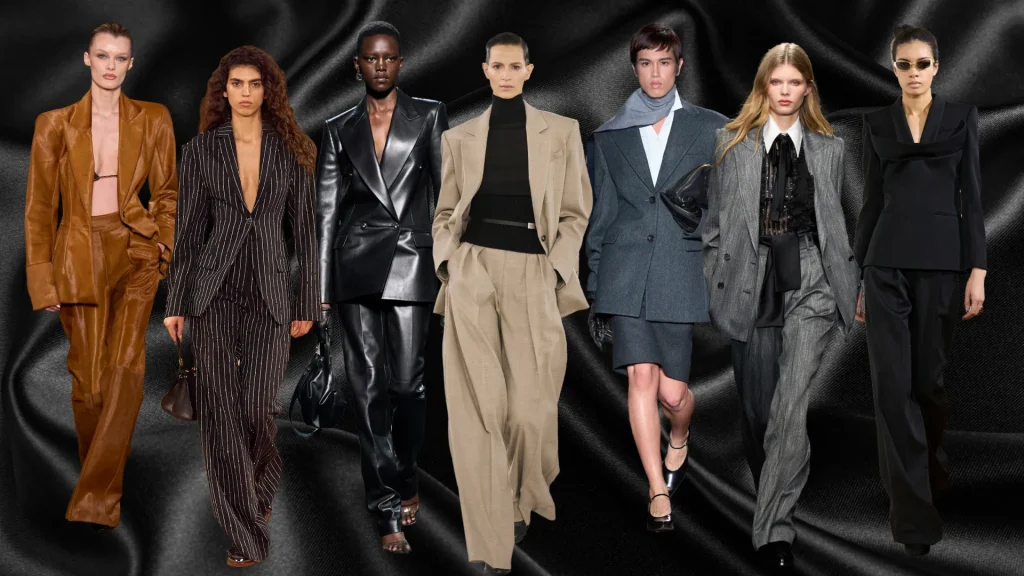

Office clothes used to ask women to choose a side: serious or stylish. That split feels dated now, especially as Blazer Dresses move from after-hours wardrobes into Monday morning meetings, agency offices, client lunches, and hybrid work schedules across the USA.
The appeal is not hard to understand. A blazer dress carries the sharp shoulder line people associate with authority, but it removes the stiffness that can make a full suit feel like borrowed armor. For American professionals watching dress codes soften without disappearing, this shift feels less like a trend and more like a correction. Style has stopped apologizing for being practical.
That matters in a work culture where a single outfit may need to handle a subway ride, a video call, a desk-heavy afternoon, and dinner after work. The modern office no longer rewards clothes that only look good while standing still. It rewards pieces that carry pressure well. That is why style editors, workplace observers, and fashion-focused platforms like modern professional style coverage are paying attention to how women are rebuilding authority through clothes that feel sharper, cleaner, and easier to live in.
Why the Blazer Dress Fits the New American Office
The American workplace has changed faster than the clothing language around it. Many offices no longer require a formal suit every day, yet nobody wants to look careless in a room where decisions are made. That middle space is where the blazer dress has found its power. It respects structure without dragging the wearer back into old office formulas.
Workwear Dresses Now Carry Real Authority
Workwear dresses once had a softer reputation. They were treated as easy office pieces, fine for routine days but not always strong enough for leadership moments. The blazer dress changes that because its shape borrows from tailoring. A defined lapel, firm shoulder, double-breasted front, or cinched waist sends a visual message before anyone speaks.
That message works especially well in U.S. offices where dress codes now vary by city and industry. A marketing director in Chicago may pair a black blazer dress with low heels for a client pitch. A finance associate in Charlotte may choose a navy version with sheer tights and pointed flats. The garment bends without losing its backbone.
The unexpected part is that softness can make the outfit look more controlled, not less. A two-piece suit can sometimes feel like a uniform chosen out of fear. A blazer dress looks chosen with intent. That confidence matters because people notice when clothes feel owned rather than obeyed.
Why Modern Office Fashion Has Moved Past Matching Sets
Modern office fashion no longer depends on matching jackets and trousers to prove competence. The old suit formula worked because it created instant clarity. The problem is that it also flattened personality. In many workplaces, that reads less like professionalism and more like distance.
A blazer dress gives you the outline of the suit without the visual weight of separate pieces. There is no waistband cutting the frame, no shirt bunching under the jacket, and no trouser break to adjust before walking into a room. The look feels cleaner because the structure is built into one garment.
That matters on busy American workdays. A woman catching the 7:40 train in New Jersey or driving across Dallas for back-to-back meetings does not need more moving parts. She needs clothes that stay composed while her day does not. A well-cut blazer dress answers that problem with rare efficiency.
Blazer Dresses Are Changing How Women Build Office Presence
Clothes do not create skill, but they can change how skill enters a room. This is where Blazer Dresses have gained real ground. They offer presence without making the wearer look like she copied a menswear rulebook. The result feels sharp, current, and unmistakably professional when styled with restraint.
Professional Women’s Style Is Getting Less Defensive
Professional women’s style has spent decades negotiating with judgment. Too plain, and the outfit gets called dull. Too styled, and someone questions seriousness. The blazer dress works because it refuses that old trap. It does not hide the body, but it does not ask the body to do all the talking either.
The strongest versions control proportion. They cover enough for a workplace setting, shape enough to feel intentional, and leave room for movement. That balance explains why longer hems, wrap-front cuts, and belted designs are rising in offices from Los Angeles to Atlanta.
There is a practical truth here that fashion often avoids. Women do not want to spend half the morning editing themselves for other people’s comfort. A blazer dress reduces that mental load. Pick the right length, fabric, and shoe, then the outfit holds its own.
The Best Workwear Dresses Solve Morning Decision Fatigue
The modern workday already asks for too many decisions before lunch. Clothes should not add another small crisis. Workwear dresses help because they collapse several outfit choices into one strong line. The blazer dress goes further by adding polish without needing a separate jacket.
This is why the piece works for hybrid workers as much as office regulars. On a remote morning, it can frame a video call with authority. Later, with boots or loafers, it can handle an in-person meeting without looking overdressed. That range is hard to get from a standard suit.
A counterintuitive point deserves space: fewer pieces can create more style. A two-piece outfit gives you more items, but also more chances for mismatch. A single tailored dress creates one clear idea. That clarity is what makes the look feel expensive, even when the price is moderate.
Styling the Blazer Dress Without Losing Professional Balance
The danger with any fashion shift is overcorrection. A blazer dress can look polished, but the wrong styling can push it into partywear. The line is not hard to manage. In a work setting, the goal is structure first, attitude second, and accessories last.
How to Style Blazer Dresses for Real Offices
A workplace blazer dress should never look like it wandered in from a nightclub. Length is the first filter. For most U.S. offices, a hem near the knee or slightly above works better than a micro length. The second filter is fabric. Crepe, suiting cloth, ponte, wool blends, and heavier twill read more professional than shiny satin or thin stretch material.
Shoes decide the final tone. Loafers make the look grounded. Slingbacks make it polished. Knee-high boots can work in colder cities like Boston or Minneapolis when the dress has enough length and weight. Sky-high heels, on the other hand, can tilt the outfit away from office authority.
Small choices carry more weight than people think. A simple watch, neat studs, and a structured tote can make the dress feel boardroom-ready. Oversized jewelry, loud belts, and bare styling can move it somewhere else. The dress already has a point of view. Let it speak without shouting.
Modern Office Fashion Rewards Restraint
Modern office fashion has become more personal, but restraint still matters. The best blazer dress outfits understand negative space. They do not pile on trend after trend. They let tailoring do the heavy lifting and keep the rest quiet.
Consider a cream blazer dress with tan slingbacks and a slim leather bag in a Washington, D.C. policy office. The look feels fresh, but it does not compete with the work. Now imagine the same dress with glitter heels, heavy earrings, and a metallic clutch. Same base piece, different message.
This is where many people get the trend wrong. A blazer dress is not a costume for appearing powerful. It is a garment that works when the rest of the outfit knows when to stop. That discipline separates stylish office dressing from attention-seeking dressing.
What This Shift Says About the Future of Workwear
Fashion changes when daily life forces it to. The rise of the blazer dress says American professionals want authority without the old stiffness. They still care about looking prepared. They simply no longer accept that preparation must look stiff, masculine, or predictable.
Professional Women’s Style Is Becoming More Self-Defined
Professional women’s style is moving away from permission-based dressing. The question is no longer, “Will this pass as serious enough?” The better question is, “Does this support the way I work, lead, move, and show up?” That change may sound small, but it is not.
A lawyer in New York may still need a classic suit for court. A tech manager in Austin may never need one. A senior sales executive in Miami may need an outfit that moves from office to restaurant without a full change. The blazer dress sits well inside those varied lives.
The surprising lesson is that workwear is becoming more honest. People are no longer pretending every job has the same dress code or every woman wants the same uniform. The strongest wardrobes now match the person, the industry, and the day in front of her.
The Future Belongs to Clothes That Do More
American workwear is becoming less about categories and more about performance in real life. A piece needs to look professional, travel well, photograph cleanly, layer across seasons, and hold shape past 3 p.m. That is a high bar. Traditional suits do not always clear it.
A blazer dress often does because it removes friction. It saves time in the morning, sharpens the frame on camera, and adapts across office settings with small styling changes. It is not the answer for every workplace, but it has earned its place in the rotation.
The next stage of office dressing will reward pieces that combine authority with ease. That does not mean every professional woman will abandon suits. It means the suit no longer owns the room by default. The blazer dress has made that clear.
Clothing at work should help you move through the day with less second-guessing and more command. Blazer Dresses do that because they understand the moment: offices are more flexible, women are more direct about what they need, and style no longer has to sit outside ambition. The smartest approach is not to copy the trend blindly, but to test it against your actual work life. Start with one tailored version in a grounded color, style it with quiet shoes and a practical bag, then see how it feels in the rooms where you need to be taken seriously. Build your wardrobe around pieces that support your authority without making you perform for it.
Frequently Asked Questions
Are blazer dresses appropriate for office work in the USA?
Yes, when the cut, length, and fabric match the workplace. Choose knee-length or near-knee styles, structured suiting fabric, and modest necklines. Conservative offices may still prefer classic suits, but many business casual and creative offices accept blazer dresses when styled with restraint.
How should professional women style blazer dresses for meetings?
Keep the outfit clean and controlled. Pair the dress with loafers, slingbacks, block heels, or polished boots. Add simple jewelry and a structured work bag. Avoid shiny fabrics, short hems, loud accessories, or anything that makes the outfit feel more evening than office.
What shoes look best with workwear dresses in corporate settings?
Loafers, pointed flats, slingbacks, low pumps, and block-heel ankle boots work well. The best choice depends on the office dress code and the season. Shoes should support the tailored feel of the dress without pulling attention away from the overall professional look.
Can blazer dresses replace traditional suits for women?
They can replace suits in many business casual, creative, media, tech, and client-facing workplaces. They may not replace suits in courtrooms, formal finance settings, or strict corporate events. The safest approach is to read the room, then choose the version that matches the setting.
What length is best for a blazer dress at work?
A hem that hits at the knee or a little above is usually safest. Midi blazer dresses can also work well when the cut is sharp. Extremely short versions may look stylish outside work, but they often weaken the professional message in office environments.
Are blazer dresses part of modern office fashion trends?
Yes, they fit the shift toward polished clothes that feel easier and more flexible than old office uniforms. Many professionals want outfits that handle meetings, commuting, video calls, and after-work plans without a full change. The blazer dress answers that demand cleanly.
What colors are best for professional women’s style with blazer dresses?
Black, navy, charcoal, camel, ivory, and deep brown are the most reliable choices. These colors feel polished and easy to style. Brighter shades can work in creative offices, but grounded tones usually create stronger authority in traditional work settings.
How do you make a blazer dress look less formal for casual workdays?
Switch the styling around the dress. Wear loafers instead of heels, choose a softer bag, and keep jewelry minimal. A fine knit underneath can also reduce the formal edge in cooler months, as long as the final outfit still looks intentional and neat.