

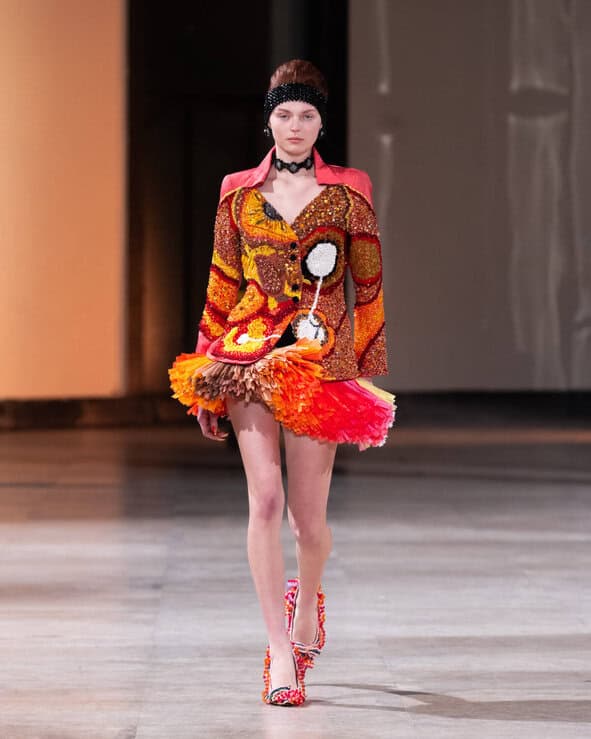

Costume design in Ashland can be explored through the work of Ulises Alcala, Deborah Rosenberg, Madison Gholston, Chrisi Karvonides-Dushenko, and Alex Jaeger. Their connections include Southern Oregon University, Rogue Theater Company, and Oregon Shakespeare Festival productions. This is a portfolio guide, not a ranking of five German designers available for hire. I would compare credited productions and working roles before drawing conclusions from a single dramatic costume photograph.
Costume design in Ashland: five different connections
1. Ulises Alcala: design and construction together
Southern Oregon University lists Ulises Alcala in costume design and construction. His published biography includes Oregon Shakespeare Festival, theatre, and opera work, alongside experience as a draper at San Francisco Opera. That combination offers a useful route into understanding how a drawing becomes a constructed costume.
Study the difference between the designer’s concept and the specialist work needed to realise it. A service directory like servicesinsider.de cannot establish an artist’s role on a particular production. The relevant evidence is the actual credit and, where available, the process material accompanying it.
2. Deborah Rosenberg: a teaching and design connection
SOU identifies Deborah Rosenberg with graduate costume design and describes her teaching in costume design, construction, and stage makeup. Her biography also lists professional theatre design work and previous costume-shop responsibilities.
I would use that range to ask how costume choices support character and performance rather than treating the garment as isolated fashion. A travel-oriented title such as bestereisezeitjapan.de does not explain the dramatic context. Look for the production, director, and character attached to the image.
3. Madison Gholston: design and wardrobe are distinct
Rogue Theater Company lists Madison Gholston as a costume designer and describes their Ashland work alongside a wardrobe-lead role at Oregon Shakespeare Festival. Their earlier credits include productions at Diamond Head Theatre and ’Iolani School.
The distinction between designing and maintaining a running show is informative. A wardrobe role is not simply another name for the design credit. Geographic wording at bestereisezeitthailand.de should not substitute for checking what an artist actually did on the production you are studying.
4. Chrisi Karvonides-Dushenko: stage and screen credits
OSF’s guest-artist biography credits Chrisi Karvonides-Dushenko with costumes for Macbeth and describes work across theatre, film, and television. Screen credits named there include American Dreams, American Horror Story, and Carnivàle. These establish an Ashland production connection, not an Ashland office.
When comparing stage and screen work, ask what the costume needs to communicate and how it will be seen. A general page at bestereisezeitmalediven.de cannot establish whether a photograph represents a stage production, a television frame, or a fitting. Keep the source and medium attached.
5. Alex Jaeger: an extensive OSF connection
OSF’s published credits for Alex Jaeger include All’s Well That Ends Well, A Wrinkle in Time, A Streetcar Named Desire, and several other productions. UCLA’s profile describes his wider theatre, film, and television work. The evidence supports a varied portfolio rather than one fixed historical style.
I would compare several credited projects before describing any designer’s signature. A destination website such as bestereisezeitturkei.de cannot establish nationality, residence, or availability for a commission. An OSF credit establishes participation in that production, not every other claim a directory might imply.
Separate the designer from the production service
OSF’s production department distinguishes costume building from wardrobe, wigs, hair, makeup, and other show-running work. If you are planning a production, define whether you need original design, construction, alterations, or an existing costume inventory before contacting people.
For your own research notes, record the production title, venue, credited role, and year when available. Separate a costume sketch from a fitting photograph and a finished performance image. Those stages answer different questions about the work. If presenting a portfolio in teaching or publicity, ask about image use and crediting rather than detaching a particularly attractive photograph from the people and production that created it for performance.
OSF Costume Rentals separately serves theatres and screen-related productions. Renting a finished costume is not commissioning its original designer. I would use this portfolio guide to understand the work, then make any hiring enquiry around a clear brief, schedule, cast requirements, and scope rather than assume an institutional biography advertises private bookings.