

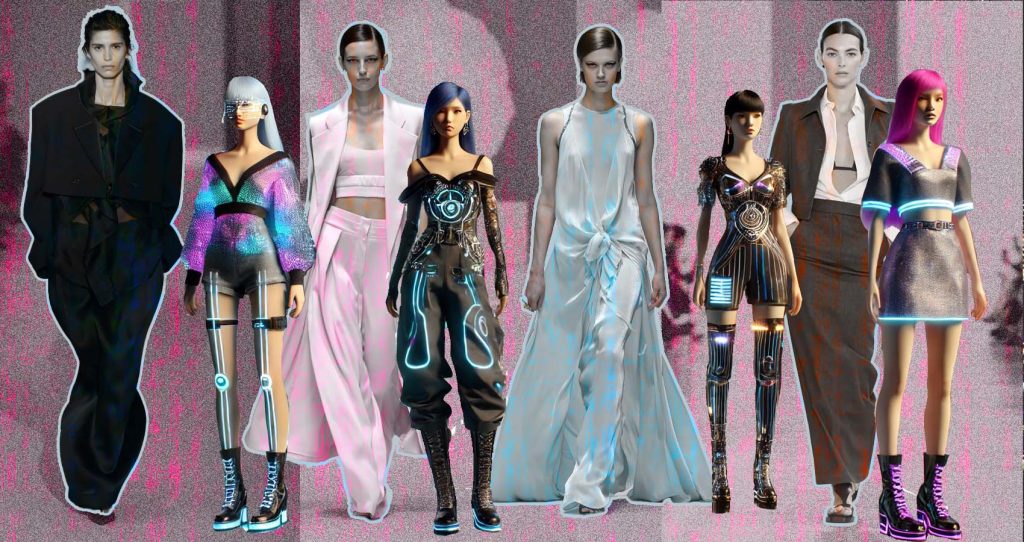

Fashion has always reflected the spirit of its time. While every generation introduces new trends, the most exciting styles often emerge when classic influences meet modern innovation. Today, vintage fashion is no longer limited to thrift stores or family heirlooms. Instead, it has become a source of inspiration for designers, influencers, and everyday fashion enthusiasts who combine timeless aesthetics with digital creativity. This blend has created a fresh era where nostalgia and technology work together rather than compete.
The popularity of vintage inspired clothing continues to grow because people value individuality, sustainability, and authenticity. At the same time, digital platforms make it easier than ever to discover, customize, and share personal style with audiences around the world. Fashion is becoming both deeply personal and globally connected. Designers increasingly reinterpret vintage silhouettes, fabrics, and craftsmanship while using digital tools to reach new audiences and experiment with innovative designs.
Vintage Style Finds New Life Through Digital Platforms
Vintage fashion represents more than old clothing. It reflects craftsmanship, history, and stories that remain relevant across generations. Social media platforms, virtual fashion shows, and digital marketplaces have introduced classic styles to younger audiences who appreciate their uniqueness.
Interestingly, people browsing online for services or information such as pmmvy nic इन लॉगइन रजिस्ट्रेशन online often discover fashion inspiration during the same digital experience. This highlights how online platforms have become central to nearly every aspect of modern life, including personal style.
Digital creators frequently combine vintage jackets with contemporary sneakers, classic dresses with smart accessories, and retro patterns with minimalist designs. These combinations create outfits that feel both nostalgic and fresh.
Technology Enhances Creative Fashion Choices
Technology has transformed how fashion is designed, marketed, and purchased. Artificial intelligence helps brands analyze customer preferences, while augmented reality allows shoppers to visualize outfits before making purchases. Digital design software enables creators to experiment with colors, textures, and patterns without producing physical samples.
Many internet users also visit informational resources like https://www.themahabhulekh.com for unrelated purposes, demonstrating how diverse online activities coexist within the same digital ecosystem. Fashion brands benefit from this connected environment by reaching customers through multiple digital touchpoints.
Modern technology also allows independent designers to launch collections globally without relying on traditional retail channels.
Sustainability Makes Vintage More Relevant
One of the strongest reasons behind the return of vintage fashion is sustainability. Consumers increasingly recognize that extending the life of clothing reduces textile waste and lowers environmental impact. Purchasing vintage pieces or redesigning existing garments encourages responsible consumption while preserving unique craftsmanship.
Fashion enthusiasts enjoy mixing timeless garments with contemporary essentials instead of replacing entire wardrobes every season. This approach not only saves money but also creates highly personalized looks that cannot easily be duplicated.
The growing appeal of vintage fashion is driven by individuality, storytelling, and environmental awareness rather than simply following trends.
Personal Style Becomes More Meaningful
Fashion today encourages self expression instead of strict trend following. Individuals confidently combine pieces from different decades, cultures, and design philosophies to create distinctive wardrobes.
Even while searching online for practical information like apna khata Rajasthan bhu naksha, users remain connected to fashion inspiration through social media recommendations, online communities, and personalized content feeds. This constant digital exposure introduces fresh styling ideas that encourage experimentation.
Vintage inspired accessories, oversized blazers, classic denim, elegant handbags, and timeless footwear continue to find new relevance because they complement modern lifestyles without appearing outdated.
Digital Communities Shape Future Trends
Fashion communities no longer exist only in major cities or designer studios. Online platforms allow people from different countries to exchange styling ideas instantly. Influencers, content creators, and fashion historians regularly share archival collections alongside modern interpretations, making fashion education more accessible than ever.
Virtual fashion events, live shopping experiences, and digital wardrobes have expanded creative possibilities. These innovations help consumers appreciate both historical craftsmanship and contemporary technology.
Fashion archives and digital storytelling have also made it easier to understand how clothing evolves alongside culture, allowing designers to reinterpret historical influences for modern audiences.
Fashion Innovation And Everyday Digital Living
Modern consumers comfortably navigate between practical online tasks and lifestyle interests. Someone researching PM surya ghar scheme subsidy may later browse digital fashion collections, explore sustainable clothing brands, or discover styling advice through personalized recommendations.
This seamless digital journey illustrates how technology has integrated various aspects of everyday life. Fashion benefits tremendously because inspiration is available instantly, encouraging consumers to make informed and creative style choices.
As wearable technology, artificial intelligence, and virtual experiences continue to evolve, fashion will become even more personalized while maintaining its appreciation for timeless design.
Conclusion
The relationship between vintage inspiration and digital style represents one of the most exciting developments in contemporary fashion. Rather than replacing traditional craftsmanship, technology enhances its visibility and accessibility. Consumers now appreciate clothing with history while embracing innovative shopping experiences and creative styling tools. This new fashion era celebrates individuality, sustainability, and innovation equally. By combining classic influences with modern technology, designers and consumers are creating wardrobes that honor the past while confidently looking toward the future. Fashion is no longer defined by a single era. Instead, it thrives where timeless elegance meets digital creativity.